

8jl | The Rise of Strategy Games in the Digital Era
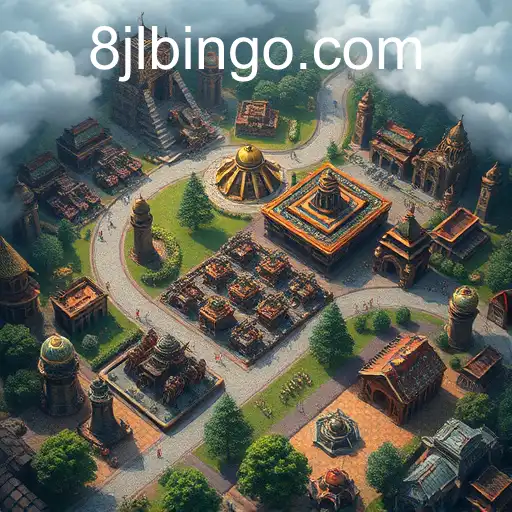
In the vast landscape of online gaming, the category of "Strategy Games" has carved out a significant niche for itself, appealing to gamers who thrive on tactical planning, long-term thinking, and complex decision-making. This genre has evolved dramatically over the years, combining traditional board game elements with innovative digital mechanics to create a compelling gaming experience.
The origins of strategy games can be traced back to ancient board games like Chess and Go, games that are still revered today for their intellectual rigor. With the advent of digital technology, these concepts have been expanded into vast virtual worlds where players can test their strategic acumen. Notable titles such as "Civilization," "StarCraft," and more recently "XCOM," have set benchmarks in the genre, each introducing unique gameplay elements that challenge players in different ways.
One of the core appeals of strategy games lies in their demand for foresight and planning. Players must often anticipate their opponent’s moves, manage resources efficiently, and execute complex strategies to achieve victory. This provides an engaging intellectual challenge not often found in other game genres. Moreover, the multiplayer aspect of these games adds a social dimension, allowing players to compete against or cooperate with others globally. This has fostered vibrant online communities and even professional eSports leagues, further cementing strategy games' status as a staple in the gaming world.
In recent years, the accessibility of strategy games has broadened with the rise of mobile gaming and cloud-based platforms. Titles like "Clash of Clans" have brought strategic gameplay to the fingertips of millions, offering bite-sized gaming sessions that are perfect for the mobile generation. This shift has opened up strategy games to a wider audience, ensuring their continued growth and relevance in the gaming industry.
The keyword "8jl," though enigmatic at first glance, represents a community term used within certain strategy gaming circles, symbolizing a strategic mindset or a specific gaming culture associated with this genre.
As we look to the future, the innovation within the strategy games genre shows no signs of slowing down. With advancements in artificial intelligence and virtual reality, the potential for new types of strategic gameplay is immense. Developers are continually seeking ways to enhance the depth and immersion of their games, promising exciting developments for both seasoned strategists and newcomers alike.
In conclusion, strategy games offer a timeless appeal through their blend of intellectual challenge and interactive entertainment. Their evolution from board games to immersive digital experiences highlights their adaptability and enduring popularity. Whether you are a seasoned tactician or a curious newcomer, the world of strategy games offers endless possibilities for engagement and mastery.
